
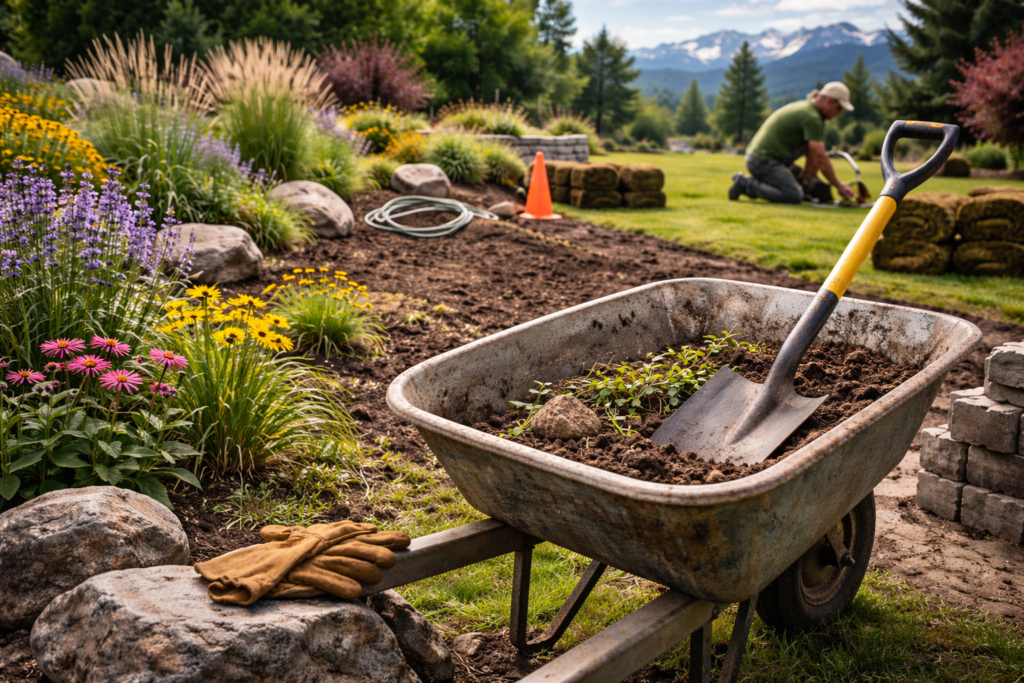
Creating a dream landscape in Calgary is a rewarding endeavor, but it comes with a unique set of tests courtesy of the local environment. Homeowners and garden enthusiasts quickly learn that what works in milder coastal climates often fails on the Canadian prairies. From dramatic temperature swings to stubborn clay soil, the elements demand respect and strategic planning. However, with the right knowledge, these obstacles can be transformed into opportunities for a stunning, resilient outdoor space. This guide delves into the core landscaping challenges and solutions in Calgary, Alberta, providing a roadmap to a yard that not only survives but thrives.
The Infamous Calgary Climate: More Than Just Cold
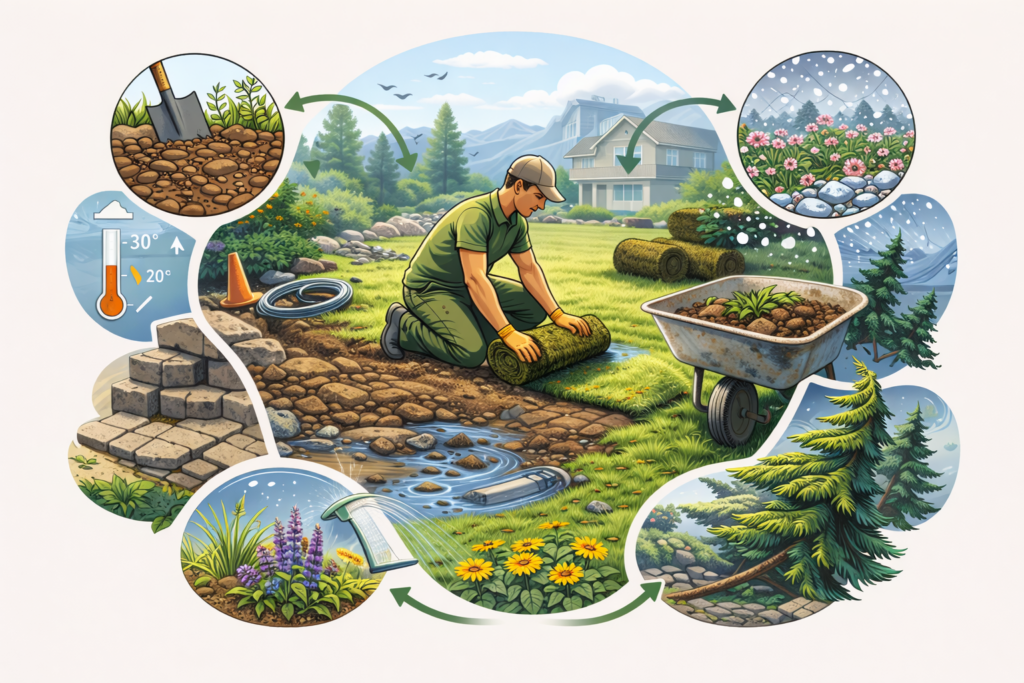
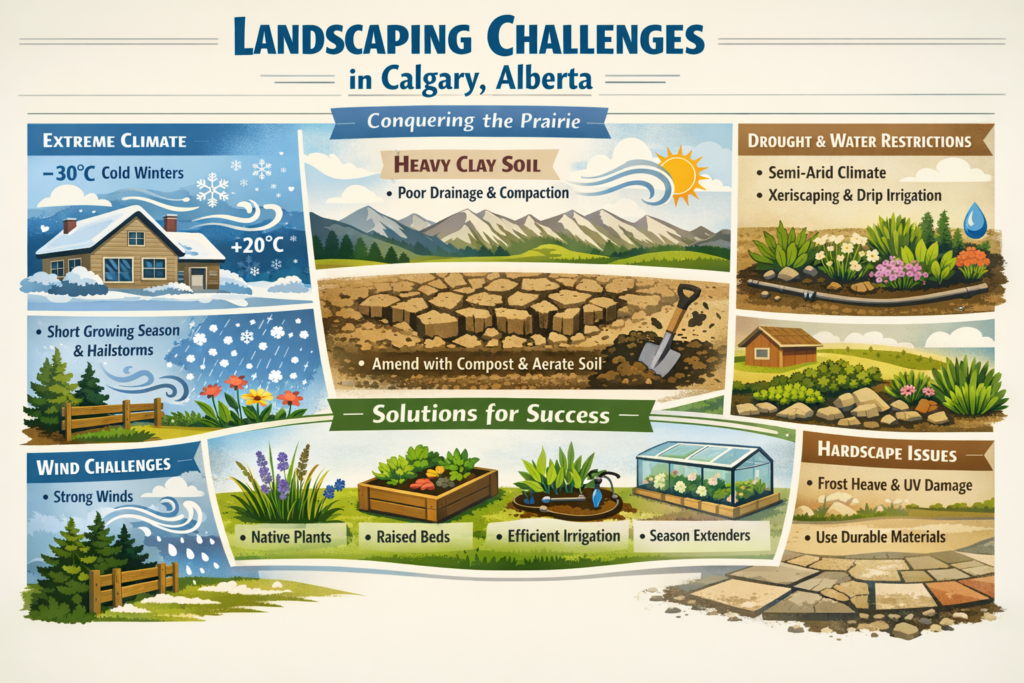
Calgary’s climate is defined by its unpredictability and extremes. The city enjoys a semi-arid, continental climate, which is a technical way of saying it can be harsh. Winters are long and cold, with temperatures that can plunge below -30°C, while summers can bring brief but intense heat waves. The most notorious feature, however, is the chinook—a warm, dry wind that can cause temperatures to swing by 20°C or more in a matter of hours. This freeze-thaw cycle is brutal on plant material, hardscaping, and soil structure.
The solution lies in embracing climate-resilient design. This starts with plant selection. Opting for native species or hardy cultivars rated for Zone 3 or, more cautiously, Zone 4a, is non-negotiable. Plants like junipers, potentillas, caraganas, and native grasses have evolved to handle these conditions. Furthermore, strategic placement is key. Planting tender species on the south or west side of a structure can offer winter wind protection and summer warmth, while understanding microclimates in your yard can create pockets for slightly more sensitive plants.
The Clay Conundrum: Working With Heavy Soil
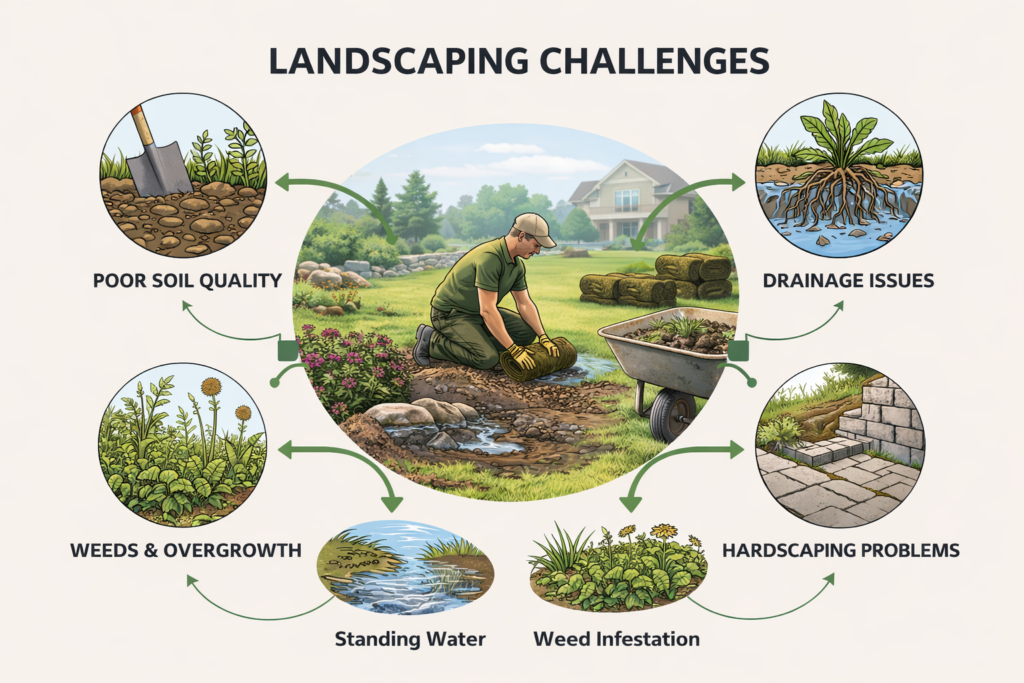
Anyone who has dug a hole in Calgary is familiar with the thick, dense, often nutrient-rich but poorly draining clay that defines the region. This heavy soil presents a dual challenge: it’s rock-hard when dry and a waterlogged, sticky mess when wet. It compacts easily, suffocates roots by limiting oxygen, and drains poorly, leading to root rot in many non-native plants.
Overcoming the clay conundrum requires soil amendment and smart gardening practices. The long-term solution is to generously amend planting beds with organic matter. Incorporating well-rotted compost, manure, or peat moss improves soil structure, enhances drainage and aeration, and boosts microbial life. For lawns, annual core aeration is essential to relieve compaction. In severe cases, building raised beds filled with a tailored soil mix offers immediate control over the growing medium, ensuring proper drainage for vegetable gardens or delicate perennials.
Water Wise Landscaping: Drought and Municipal Regulations
Calgary’s semi-arid climate means water is a precious resource. Periods of summer drought are common, and the city often implements watering restrictions during dry spells to conserve supply. This makes traditional, thirsty lawns and non-native flower beds both environmentally and economically costly.
The ultimate solution is xeriscaping—a landscaping philosophy that reduces or eliminates the need for irrigation. This doesn’t mean a yard full of rocks and cacti (though it can). It involves designing with drought-tolerant native plants like blanket flower, sedum, or silver mound artemisia. Grouping plants with similar water needs (hydrozoning) ensures efficient watering. Investing in a drip irrigation system or soaker hoses targets water directly to roots with minimal evaporation. Finally, reducing lawn area in favor of mulch, permeable paving, or ground covers significantly cuts water use and maintenance.
Wind: The Unseen Design Force
The wind in Calgary is a constant design consideration. It can dry out soil rapidly, break branches, desiccate evergreen foliage in winter (a condition called winter burn), and make patio areas unusable. Ignoring wind leads to plant loss and reduced enjoyment of the outdoor space.
Effective landscaping creates shelter. Using fences, lattice screens, or strategically planted windbreaks made of dense shrubs and trees can filter and block prevailing winds. Evergreen trees like spruce or pine planted on the northwest side of a property are classic windbreak solutions. For plant protection, anti-desiccant sprays can be applied to broadleaf evergreens in the fall to reduce moisture loss. Choosing plants with flexible stems and smaller leaves, such as many native grasses and shrubs, also helps them withstand constant breezes without damage.
Short Growing Season and Hail: Beating the Clock
Calgary’s frost-free period is relatively short, typically from early June to early September. This limits the time for annuals to flourish and can challenge the blooming cycle of some perennials. Compounding this is the threat of summer hailstorms, which can shred leaves and flowers to ribbons in minutes.
To extend the season and protect investments, gardeners need to be proactive. Starting seeds indoors or purchasing established transplants from greenhouses gives plants a head start. Using season-extending tools like cold frames, row covers, or wall-mounted planters that capture heat can create warmer microclimates. For hail defense, having temporary covers—like patio umbrellas for containers or lightweight fabric that can be draped over prized beds—at the ready is wise. Prioritizing plants that recover quickly from damage or that bloom earlier in the season ensures visual success.
Hardscaping Durability: From Frost Heave to Sun Fade
The challenges don’t stop at plant life; they extend to the non-living elements of the landscape. Frost heave—where freezing and thawing cycles push stones, pavers, and even concrete slabs out of alignment—is a major issue for patios, walkways, and retaining walls. Additionally, Calgary’s high altitude brings intense UV exposure, causing rapid fading of wood stains, composite materials, and outdoor fabrics.
Durability must be the guiding principle for hardscaping. Proper installation is 90% of the battle. For patios and walkways, this means excavating to a sufficient depth for a properly compacted granular base, ensuring excellent drainage to manage freeze-thaw movement, and using locking polymeric sand between pavers to create a flexible yet stable surface. Choosing materials known for their resilience in freeze-thaw cycles, such as certain natural stones or high-quality concrete pavers, is crucial. For wood structures, selecting naturally durable species like cedar or applying UV-protective sealants annually will prolong their life and appearance.
Conclusion
Landscaping in Calgary is not about fighting nature but working intelligently with it. By understanding the specific pressures of the local climate—the clay soil, drying winds, unpredictable frosts, and water scarcity—homeowners can make informed decisions that lead to sustainable beauty. The core of successful landscaping challenges and solutions in Calgary, Alberta revolves around choosing the right plants for the place, amending the soil diligently, designing for shelter and efficiency, and installing hardscapes to last.